

The scale of these areas demonstrates that a significant share of Prague’s future development could take place within its existing urban fabric. The largest regeneration areas include Bohdalec–Slatiny, Bubny–Zátory and the former Žižkov Freight Railway Station. Together, these three sites cover more than 300 hectares. Major transformations are also underway in Smíchov, Rohanský Island, Modřany and Vysočany.
“Prague’s brownfield sites represent one of the greatest opportunities for the city’s future development. From a residential market perspective, however, their overall capacity is only part of the equation. What matters most is how quickly individual sites can be prepared for development, how effectively construction is coordinated with transport infrastructure and public amenities, and whether the new districts will deliver a genuinely high-quality urban environment. These factors will ultimately determine their long-term value and attractiveness to both residents and investors,” says Anna Gruberová, CEO of LEXXUS NORTON.
Bubny–Zátory: A New District for 25,000 Residents
Bubny–Zátory is one of Prague’s largest urban regeneration areas. Covering approximately 110 hectares, the site is expected to accommodate around 11,000 apartments for approximately 25,000 residents. The new district is also planned to provide around 29,000 jobs.
The master plan includes a central park covering approximately six hectares, educational facilities with capacity for around 5,000 pupils, and a range of other public amenities. Transport infrastructure will also play a crucial role in the area's transformation. Development will be supported by the new Praha-Bubny railway station and the modernisation of the railway line connecting Prague with the airport and Kladno.
Žižkov: 10,000 Apartments While Preserving Historical Identity
The area surrounding the former Žižkov Freight Railway Station is also undergoing a major transformation. Covering approximately 70 hectares, the site has the potential to accommodate up to 10,000 apartments for around 20,000 residents.
The new residential developments will be complemented by two primary schools, five nursery schools, parks, public squares and sports facilities. The historic freight station building is also expected to remain a prominent feature of the new district, serving cultural purposes.
Unlike some of Prague’s other major regeneration areas, construction is already underway in Žižkov. The first phase of the Parková čtvrť residential development has been completed.
Not Every Brownfield Will Be Transformed Within a Few Years
There are considerable differences between Prague’s individual brownfield sites. While some developments are already under construction, others will take several decades to complete.
Bohdalec–Slatiny remains the city’s largest development reserve. Covering approximately 200 hectares, the area has a complex ownership structure and includes railway infrastructure as well as land owned by numerous public and private entities. The precise development capacity has yet to be determined.
The Success of Development Projects Is Determined Long Before Construction Begins
The regeneration of extensive urban areas also highlights the critical importance of thorough preparation in residential development. The foundations of a project's commercial success are often established several years before construction begins, frequently even before an application for a building permit is submitted.
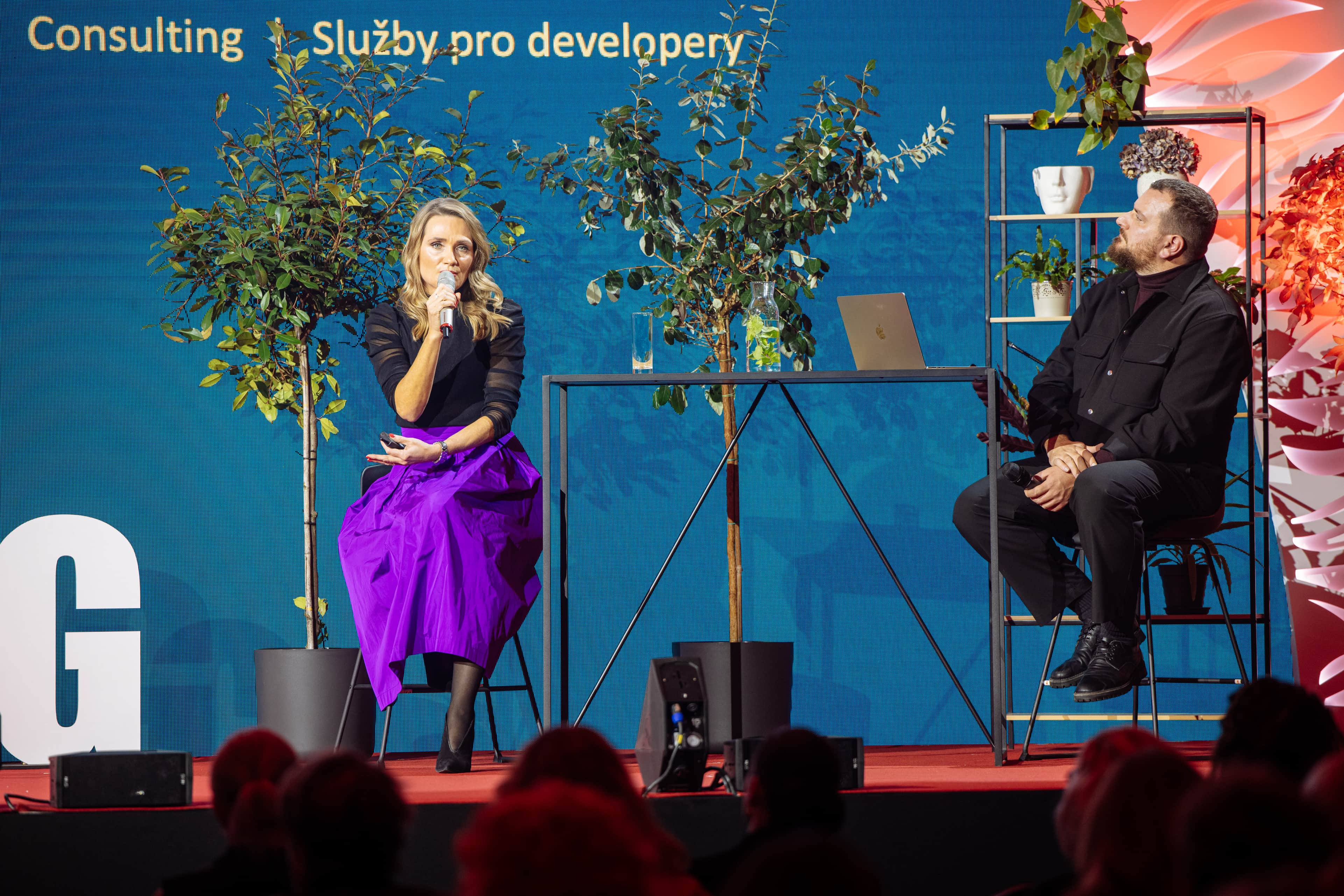
It is at this early stage that the LEXXUS NORTON Consulting Department becomes involved, providing developers with comprehensive advisory services based on in-depth knowledge of the residential property market, current buyer demand and the competitive landscape.
“Based on detailed market analyses, we help developers determine the optimal project concept, apartment mix and sizes, floor layouts, specification standards and pricing strategy. For larger developments, we also recommend appropriate construction phasing and forecast sales absorption rates,” explains Marianna Aydinyan, Sales Director at LEXXUS NORTON.
The objective is to maximise the potential of each development site while ensuring that the project integrates naturally into its surroundings, reflects the purchasing power and preferences of its target buyers, and delivers the highest possible economic return.
Engaging real estate specialists at an early stage helps developers avoid costly modifications later in the planning process and minimises the risk of bringing a product to market that fails to meet actual buyer demand.
“From the very beginning, developers need to understand not only how many square metres they can build on a site, but, more importantly, what type of residential product the market will demand and at what price it can realistically be absorbed. Our role is to help developers make these informed decisions while there is still sufficient flexibility to shape the project effectively,” says Marianna Aydinyan, Sales Director at LEXXUS NORTON.
Infrastructure and Effective Coordination Will Determine the Pace of Development
Large-scale regeneration areas demonstrate that the availability of development land alone does not guarantee rapid construction. The pace of transformation depends on urban planning, land ownership, transport infrastructure, the capacity of schools and other public services, and the ability of the city and private investors to coordinate their respective investments.
Prague’s brownfield sites therefore represent development potential extending over several decades. Some new districts are expected to be completed by the beginning of the next decade, while the urban transformation of other areas will continue well into the 2040s.