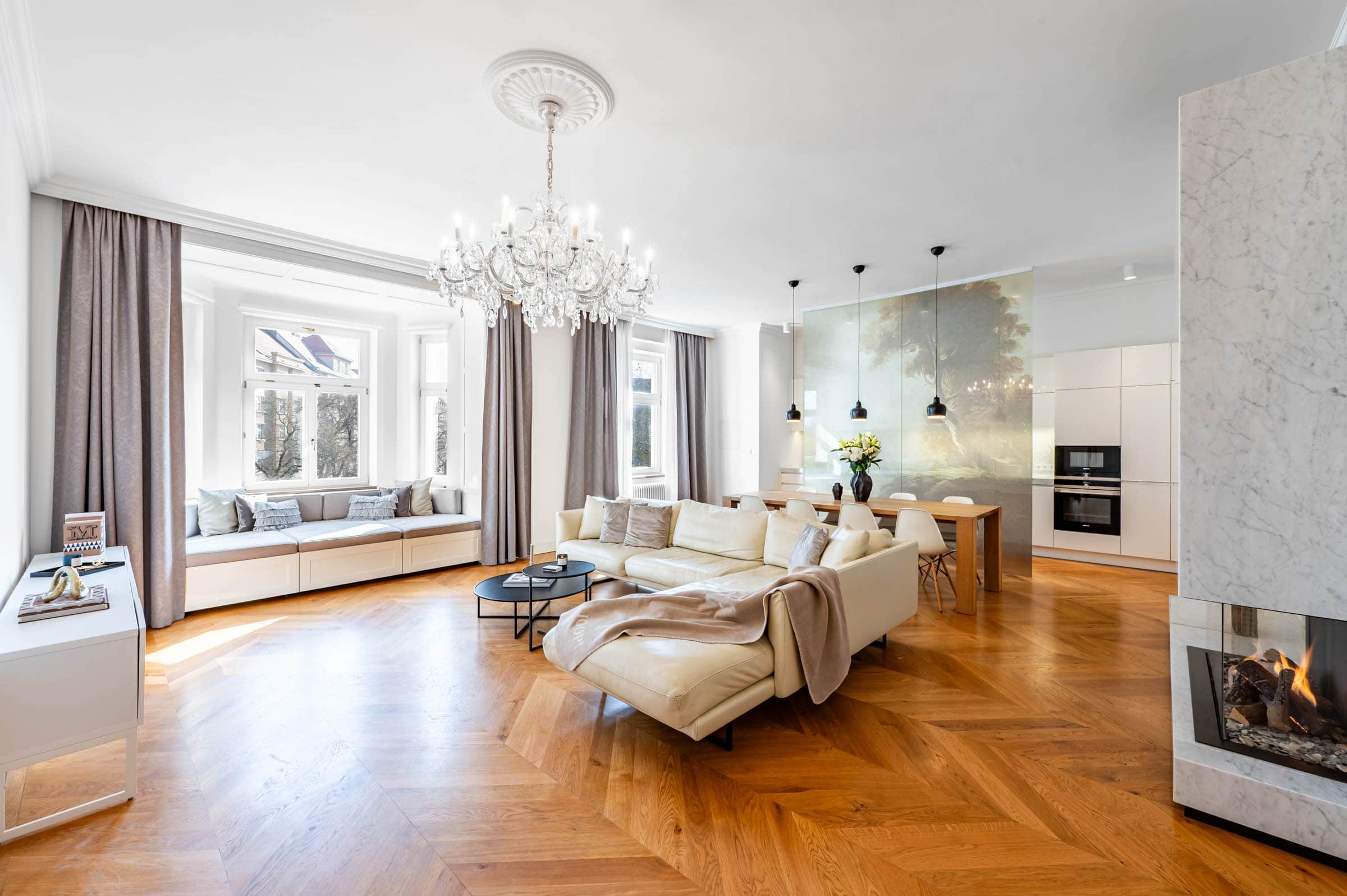

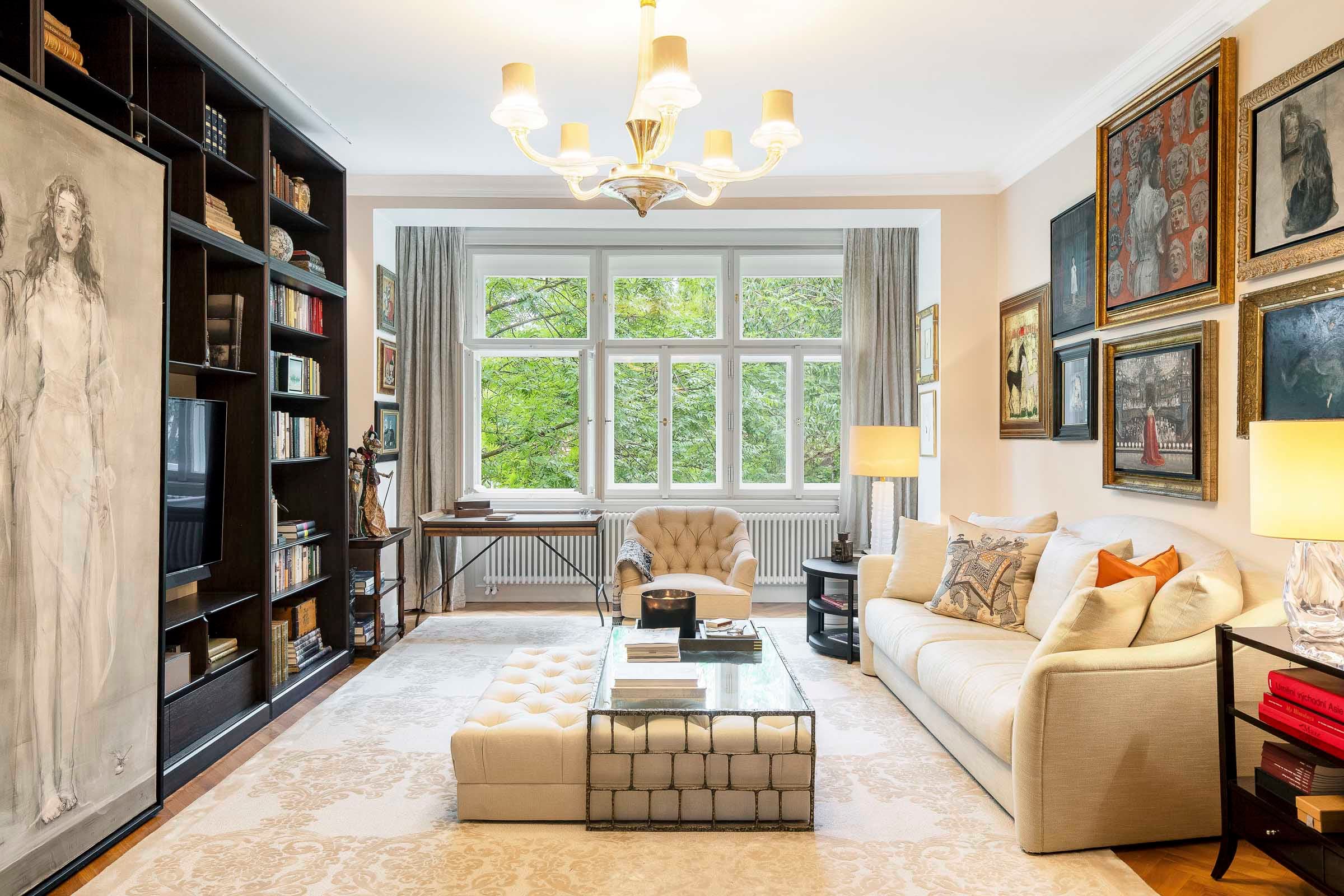
“Demand for high-quality housing remains strong, but an increasing share of potential buyers is reaching the limits of financial affordability. High prices of newly built apartments in Prague, combined with more challenging financing conditions for investment purchases, are reducing the number of transactions that actually take place. Prime properties in attractive locations, however, tend to be more resilient to market fluctuations, and demand for them is less volatile. That is why we expect their prices to continue rising,” says Anna Gruberová, CEO of LEXXUS NORTON.
Mortgage refixations in 2027 are unlikely to trigger mass sell-offs
Although thousands of households will refinance mortgages next year that were originally fixed at record-low interest rates in 2021–2022, LEXXUS NORTON does not expect a significant increase in forced property sales.
According to the company, the Czech banking sector remains conservative, and Czech households maintain a relatively healthy level of indebtedness by European standards. Higher monthly mortgage payments may affect individual households, but they are unlikely to have a systemic impact on the residential market. LEXXUS NORTON's analysts therefore expect sales driven solely by higher mortgage repayments to remain the exception rather than the norm.
The biggest challenge: a shortage of new housing supply
High property prices are not driven solely by slow planning and permitting processes. Rising construction costs, more expensive project financing, stricter energy-efficiency standards, and growing investment in public infrastructure are also significant factors.
In 2025, construction began on 5,907 new residential units in Prague, representing a 15.2% year-on-year decline. Only 3,386 units were completed—far from enough to meet the city's long-term housing demand.
Through its in-house consulting division and team of residential market specialists, LEXXUS NORTON continuously monitors market trends, upcoming and active residential developments, the competitive landscape, and buyer behavior. This provides the company with detailed insight into the key drivers of new apartment prices, with constrained supply and rising construction and financing costs currently among the most influential. According to LEXXUS NORTON, faster permitting would not lead to a dramatic decline in prices, but it would help stabilize the market and moderate the pace of future price growth.